Inkberry: The Evergreen Shrub That's Easy To Grow And Care For
Title: Inkberry: The Evergreen Shrub That's Easy to Grow and Care For
Introduction:
Inkberry (Ilex glabra) is a versatile evergreen shrub that is native to North America. It is a popular choice for landscaping because it is easy to grow and care for, and it provides year-round interest with its glossy green leaves and black berries.
In this blog post, we will discuss the different types of inkberry, how to plant and care for them, and some of the benefits of adding this shrub to your landscape.
Main Content:
Types of Inkberry
There are two main types of inkberry: species inkberry and dense inkberry. Species inkberry is the more common type, and it grows up to 8 feet tall and wide. Dense inkberry is a smaller variety, and it only grows up to 4 feet tall and wide.
Planting Inkberry
Inkberry can be planted in full sun to partial shade. It prefers moist, well-drained soil, but it can tolerate some drought. When planting inkberry, it is important to amend the soil with compost or other organic matter to improve drainage and fertility.
Caring for Inkberry
Inkberry is a low-maintenance shrub. It requires little pruning, and it is drought tolerant. However, it does benefit from occasional watering, especially during hot, dry weather. Inkberry is also susceptible to leaf spot, so it is important to water the leaves from the bottom to prevent the spread of the disease.
Benefits of Inkberry
Inkberry has many benefits, including:
- It is easy to grow and care for.
- It is evergreen, so it provides year-round interest.
- It is deer resistant.
- It attracts birds and other wildlife.
- It can be used in a variety of landscaping applications, including borders, hedges, and foundation plantings.
Conclusion:
Inkberry is a versatile and easy-to-grow shrub that is a great addition to any landscape. It is deer resistant, attracts birds, and provides year-round interest. If you are looking for a low-maintenance shrub that will add beauty to your yard, inkberry is a great option.
For more information about inkberry, visit Home Gardening.
FAQ of inkberry
- What is inkberry?
Inkberry (Ilex glabra) is a native evergreen shrub that is found in the southeastern United States. It is a member of the holly family and can grow up to 10 feet tall. Inkberry has glossy green leaves and small, black berries. The berries can be used to make ink, hence the name.
- What are the benefits of inkberry?
Inkberry is a versatile plant that can be used for a variety of purposes. It is a popular landscaping plant because it is evergreen, drought-tolerant, and salt-tolerant. Inkberry can also be used to make ink, jelly, and tea. The berries are a good source of vitamin C and antioxidants.
- How to care for inkberry?
Inkberry is a low-maintenance plant that is easy to care for. It prefers full sun to partial shade and well-drained soil. Inkberry should be watered regularly during the first year after planting, but it is drought-tolerant once established. Inkberry does not need to be fertilized often.
- What are some common problems with inkberry?
The most common problem with inkberry is scale insects. Scale insects are small, sap-sucking insects that can cause the leaves of inkberry to yellow and drop. Scale insects can be controlled with insecticidal soap or neem oil.
- How much spacing does inkberry need?
Inkberry should be spaced two to three feet apart for a formal appearance and minimal pruning. If you want a more natural look, you can space the plants closer together.
Image of inkberry
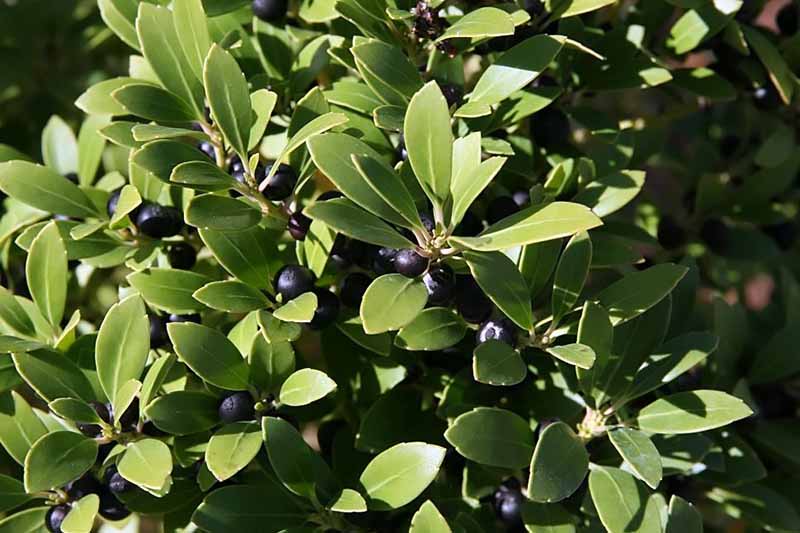
- Image 1: A close-up of an inkberry leaf, showing the shiny dark green upper surface and the duller lighter underside.
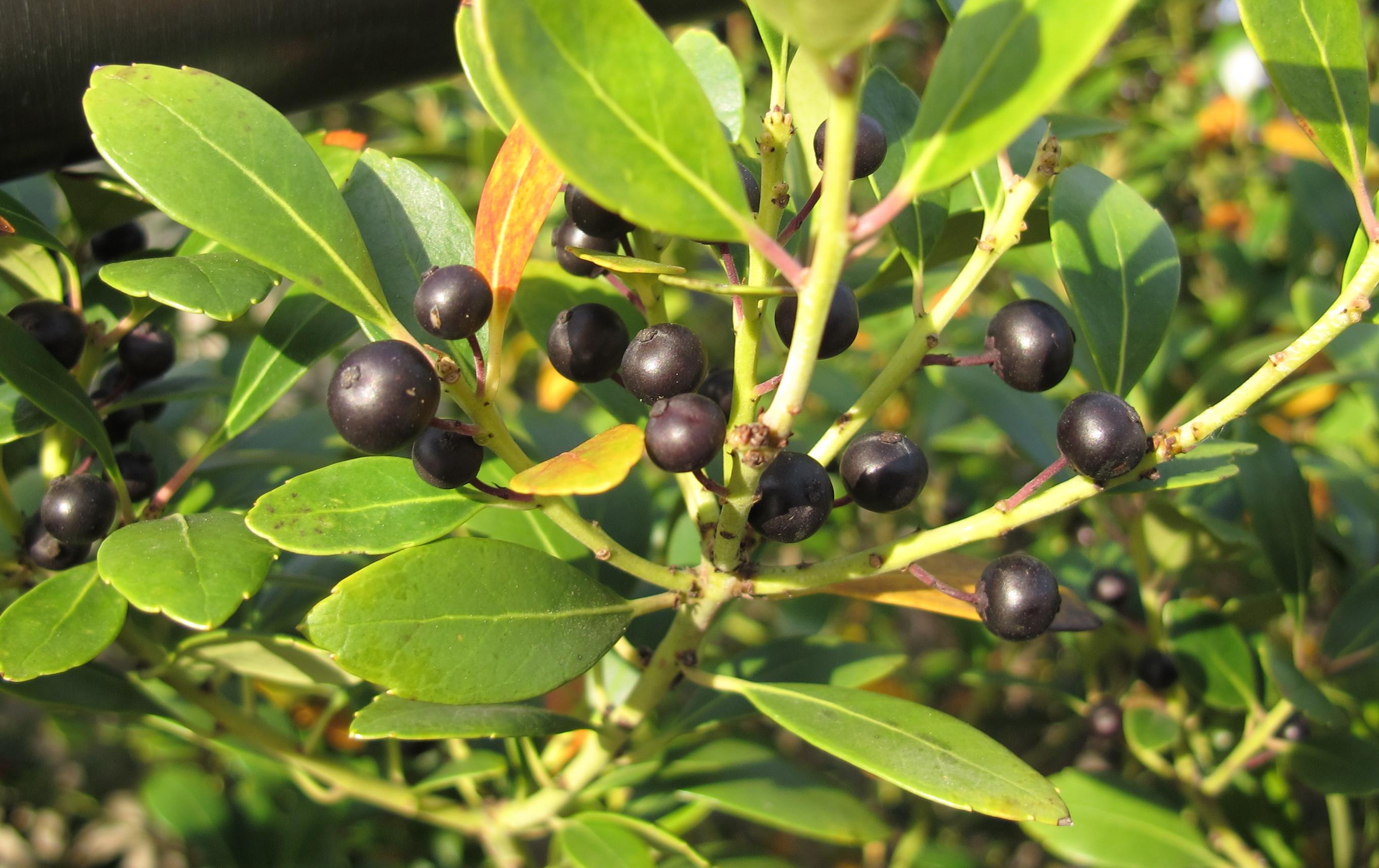
- Image 2: A cluster of inkberry berries, which are small and black.
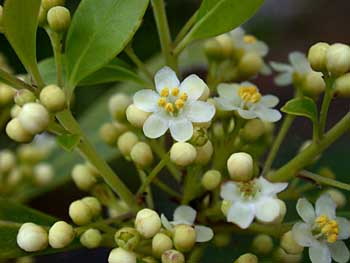
- Image 3: An inkberry shrub in full bloom, showing the white flowers.
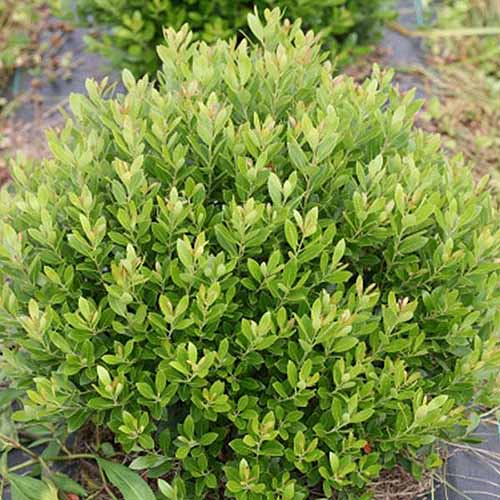
- Image 4: A young inkberry shrub, showing the upright, rounded shape.
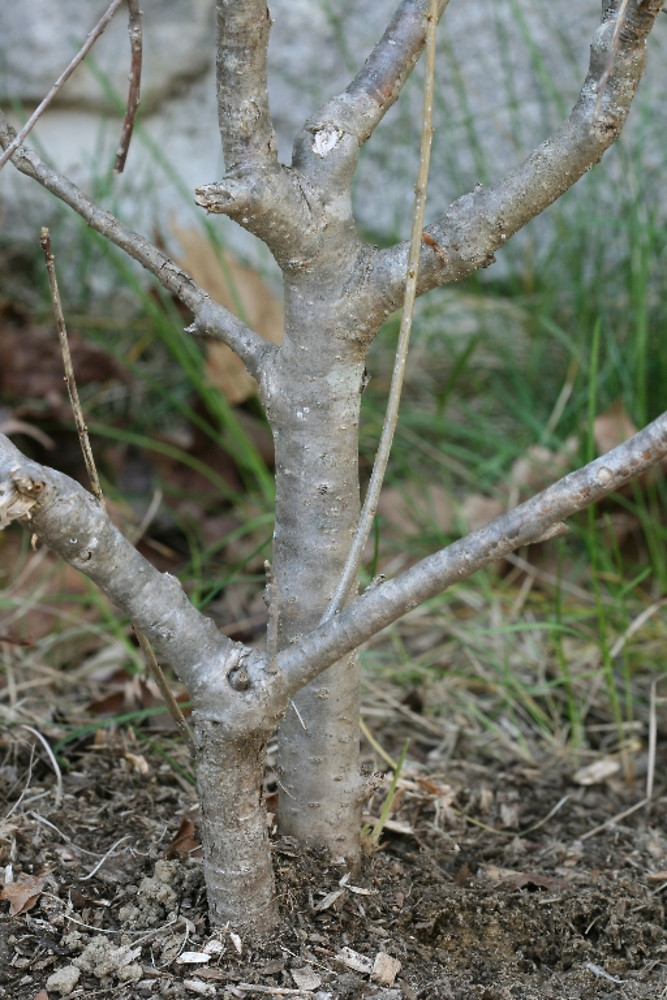
- Image 5: A mature inkberry shrub, showing the multiple trunks and the suckering stems.
- Image 6: A inkberry shrub in winter, showing the evergreen leaves.

- Image 7: A inkberry shrub in a forest setting, showing the contrast between the dark green leaves and the light green needles of the pines.

- Image 8: A inkberry shrub in a garden setting, showing the way it can be used to add structure and interest to a landscape.
- Image 9: A close-up of the inkberry's rhizomes, which are responsible for the plant's suckering habit.

- Image 10: A close-up of the inkberry's bark, which is smooth and gray.

Post a Comment for "Inkberry: The Evergreen Shrub That's Easy To Grow And Care For"